Budget Planning with Clarity and Intention
Budget planning sits at the intersection of discipline and awareness. It is not merely about restricting spending or building spreadsheets. At its core, budget planning means understanding the rhythm of money flowing in and out, categorized thoughtfully, reviewed honestly, and adjusted over time. When done well, it becomes a quiet ritual that supports long-term financial goals and day-to-day peace of mind.
For many, the process begins with simple tools: a notebook, a pencil, and perhaps a steaming cup of tea or coffee nearby. This tactile, low-pressure setting often encourages more honest reflection than a sterile digital interface. There is something grounding about writing numbers by hand, drawing lines between categories, and visually mapping where each portion of income should travel.
What Visual Budget Planning Brings to the Table
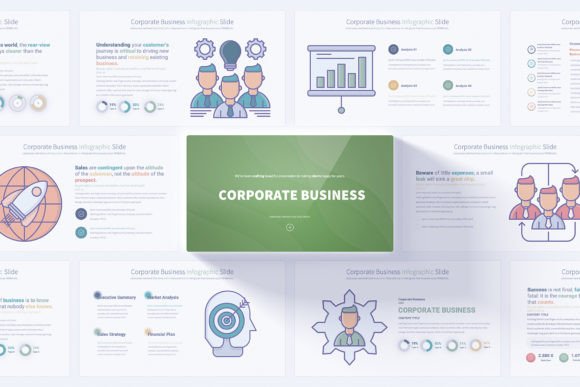
Visual representations of budget planning transform abstract numbers into something immediately readable. When income and expenses are organized by category across a defined period, patterns emerge that might otherwise stay hidden in rows of digits. An infographic-style approach highlights proportions, reveals imbalances, and helps the eye grasp the full financial landscape in seconds.
The Modern Flat Cartoon Vector Budget Planning Concept Illustration captures this exact spirit. It depicts a scene where a person engages with financial planning in a relaxed but focused manner. A notebook lies open, a pencil is in hand, and a hot cup of tea or coffee rests nearby. The composition emphasizes categorized planning — income on one side, necessary expenses on the other — with the volume of money received placed in direct visual relationship to outgoing obligations. The flat cartoon style keeps the mood approachable and free of intimidation, which is essential for a topic that can otherwise stir anxiety.
Who Might Resonate with This Type of Illustration
This vector illustration is not limited to a single audience. Its appeal stretches across contexts where financial literacy, personal organization, or lifestyle content takes center stage. Consider:
- Financial coaches and advisors who need warm, relatable visuals for client materials or educational content.
- Bloggers and content creators covering personal finance, minimalism, or mindful living.
- Small business owners designing internal guides or promotional materials about money management.
- Educators and nonprofits creating workshops or resources around financial literacy.
- App developers and SaaS companies building budgeting tools who need friendly onboarding illustrations.
In each case, the illustration bridges a gap. It communicates that budget planning is a human activity — imperfect, ongoing, and deeply personal — rather than a cold mechanical process.
When This Visual Approach Works Best
Flat cartoon vector illustrations of budget planning concepts tend to shine in environments where warmth and accessibility matter. They perform well on social media posts and cover stories, where the scroll-stopping power of a relatable visual cannot be overstated. A poster promoting a financial wellness webinar gains immediate approachability. A website gallery featuring lifestyle or productivity content feels more cohesive with consistent, friendly imagery.
Business banners and promotional design elements also benefit. When a company wants to advertise budgeting services without evoking stress or guilt, this style says, "We understand your life," rather than, "You should be better with money." The presence of a hot drink in the illustration adds a layer of comfort — it suggests that budget planning can coexist with small daily pleasures, not replace them.
Practical File Formats and Their Best Uses
Decision-makers evaluating visual assets often overlook format versatility until they face a compatibility issue. The Modern Flat Cartoon Vector Budget Planning Concept Illustration package includes four file types, each suited to different production needs:
- EPS 10 file — The industry-standard vector format. Ideal for professional print projects, scaling to billboard size without loss of quality, and editing in Adobe Illustrator or CorelDRAW. If you need to recolor elements or adjust the composition, this is the file to reach for.
- SVG file — Perfect for web and digital applications. SVGs are lightweight, scalable, and can be styled with CSS. They load quickly on websites and remain crisp on retina displays. Use this for website galleries, blog headers, or app interfaces.
- PNG file with transparent background — The go-to format for layering. Place it over colored backgrounds, integrate it into social media templates, or use it in presentation decks without worrying about a white box around the artwork.
- JPG file — A ready-to-use raster format for quick placements. Best for email newsletters, simple print layouts, or any scenario where you need a flat image without transparency requirements.
Having multiple formats means you do not have to choose between web and print or between editing flexibility and immediate usability. You can deploy the same illustration across a business banner, social media post, poster, and website gallery with minimal friction.
Situations Where Alternative Styles May Be Worth Considering
No single visual style serves every purpose equally. Flat cartoon vector illustrations excel at approachability, but there are scenarios where other aesthetics might align better with a brand's voice:
- If your brand identity skews toward luxury or high-end financial services, a more refined, photographic, or minimalist line-art style may convey sophistication more effectively.
- For corporate annual reports or investor presentations, formal data visualizations and clean iconography might integrate more seamlessly than cartoon illustrations.
- When targeting an audience that prefers realistic or documentary-style imagery, vector illustrations can feel too abstract or detached from lived experience.
These are not shortcomings of the flat cartoon style; they are simply alignment questions. The illustration excels where relatability, warmth, and everyday authenticity matter most. Where distance, formality, or photographic realism is required, alternatives deserve exploration.
Evaluating Fit: Questions to Ask Before Selecting Budget Planning Visuals
Making a confident choice about visual assets involves more than aesthetic preference. Before selecting a budget planning illustration, consider the following:
- Who is the primary audience? Are they people who might feel intimidated by financial topics? If so, the approachable flat cartoon style with a pencil, notebook, and hot drink may lower their guard and invite engagement.
- Where will the illustration live? A web banner has different constraints than a printed poster. The availability of SVG for web, EPS for print, and PNG for versatile overlays covers most deployment scenarios.
- What emotional tone does the surrounding content require? Content about achieving financial goals and building cash savings benefits from hopeful, calm imagery. The illustration's focus on organized categories and manageable planning reinforces that tone.
- Does the illustration need customization? If you anticipate recoloring or adapting elements, the EPS and SVG files provide editing freedom that raster formats cannot.
Answering these questions clarifies whether the budget planning concept illustration is a strong fit or whether adjustments are needed.
The Role of Infographics in Financial Goal Achievement
Infographics embedded within budget planning visuals do more than decorate. They structure understanding. When a viewer sees income and expense categories laid out proportionally, they instantly grasp where money goes without decoding a spreadsheet. This visual clarity supports better decision-making because it removes cognitive friction.
The vector illustration design acknowledges this by framing budget planning as an infographic process. Categories sit side by side. The volume of money received holds visual weight. Necessary expenses claim visible space. The pencil in hand implies ongoing adjustment — a reminder that budgets are not fixed decrees but living documents that adapt to reality. For someone working toward cash savings targets, this visual language reinforces the idea that progress is incremental and reviewable.
Integrating the Illustration into Real-World Projects
Practical deployment often determines whether a visual asset delivers value. Consider these integration paths:
- Web banners and landing pages: Use the SVG or PNG file to create a welcoming hero section for a budgeting tool or financial blog. The transparent PNG background allows flexible placement over gradient or solid-color sections.
- Social media campaigns: The same illustration can anchor Instagram stories, Facebook posts, or Pinterest pins about planning income and expenses by category. The flat cartoon style performs well on platforms where visual warmth drives engagement.
- Print materials: The EPS 10 file ensures that flyers, workshop handouts, or office posters print sharply at any size. Budget planning themes translate naturally to physical spaces like community centers, financial coaching offices, or classroom walls.
- Promo design elements: Incorporate the illustration into email headers, digital brochures, or presentation slides to maintain consistency across touchpoints.
The versatility of having one coherent concept available in multiple formats reduces the friction of multi-channel deployment.
Balancing Aesthetic Appeal with Functional Messaging
A common pitfall in selecting budget planning visuals is choosing imagery that looks pleasant but says little. The best illustrations communicate while they charm. The pencil, notebook, and hot drink are not arbitrary props. The pencil represents active engagement — the user is writing, calculating, and adjusting. The notebook signals intentionality and record-keeping. The cup of tea or coffee introduces patience and self-compassion into a task that many approach with dread.
Together, these elements tell a fuller story: budget planning is a sustainable practice, not a punishment. It can happen at a kitchen table, in a quiet evening moment, with warmth nearby. For anyone designing content around financial goals, savings strategies, or income scrutiny, this layered storytelling adds depth that generic stock photos of calculators and dollar signs cannot match.
Making an Informed Choice
No tool or illustration solves financial challenges by itself. Budget planning requires consistent effort, honest self-assessment, and a willingness to course-correct. However, the environment around that effort matters. Visuals that reduce anxiety, clarify structure, and normalize the planning process can make the difference between someone avoiding their finances and someone engaging with them regularly.
The Modern Flat Cartoon Vector Budget Planning Concept Illustration offers a balanced blend of warmth, clarity, and professional polish. It works across web, print, business banners, social media posts, poster designs, website galleries, and promo materials. Its multiple file formats ensure that creative teams and solo creators alike can deploy it without technical headaches.
Ultimately, the question is not whether the illustration is "good" in isolation. The question is whether it aligns with the audience you serve and the message you want to convey about money, planning, and the possibility of financial well-being. For many projects, the answer will be a confident yes.